
Creative Uses of Silk Threads in India: Unlocking Artistic Potential
- rahuljain114
- 4 hours ago
- 4 min read
India has a long-standing tradition of exquisite craftsmanship, and one of the most fascinating materials that artisans have worked with for centuries is silk. When you think about the creative uses of silk threads, you might picture delicate embroidery or luxurious textiles. But the story goes much deeper. Today, I want to take you on a journey through the vibrant world of silk threads in India, exploring how they are used creatively across various crafts and industries.
Exploring the Uses of Silk Threads in Indian Craftsmanship
Silk threads have been a symbol of elegance and artistry in India for ages. Their lustrous texture and strength make them ideal for a variety of applications. From traditional embroidery to modern design innovations, silk threads add a unique charm that synthetic materials often cannot replicate.
You might be surprised to learn that silk threads are not just for clothing. They are used in home décor, accessories, and even in art installations. The versatility of silk threads allows designers and craftsmen to experiment with textures, colours, and patterns, creating pieces that are both beautiful and durable.
If you are involved in embroidery or design, understanding these uses can inspire you to incorporate silk threads into your own projects. Whether you want to create intricate patterns or bold statements, silk threads offer endless possibilities.
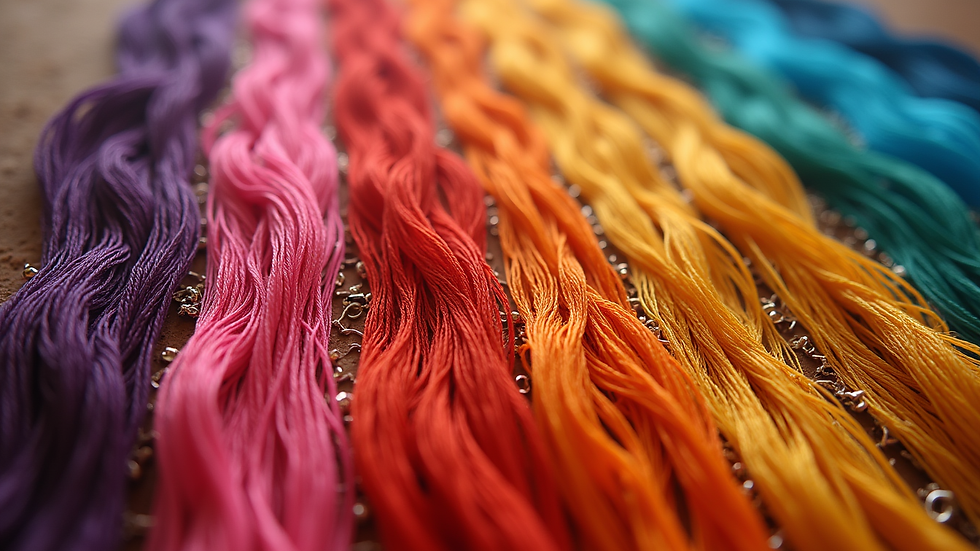
What are silk threads used for?
Silk threads serve many purposes in Indian artistry and industry. Here are some of the most prominent uses:
Embroidery and Zari Work
Silk threads are the backbone of many embroidery styles like Zardozi, Chikankari, and Kantha. Their sheen enhances the intricate designs, making garments and textiles stand out. Zari work, which involves weaving gold and silver threads with silk, is especially popular in bridal wear and festive attire.
Weaving and Textile Production
In regions like Varanasi and Kanchipuram, silk threads are woven into luxurious sarees and fabrics. The fine quality of silk threads ensures that the final product is soft, durable, and visually stunning.
Jewellery and Accessories
Silk threads are used to create thread jewellery, including necklaces, bracelets, and earrings. These accessories are lightweight, colourful, and perfect for adding a traditional touch to modern outfits.
Home Décor Items
From embroidered cushion covers to wall hangings, silk threads bring elegance to home décor. Their vibrant colours and smooth texture make them ideal for decorative stitching and embellishments.
Art and Craft Installations
Contemporary artists use silk threads to create large-scale installations and mixed media artworks. The threads’ flexibility and shine allow for creative expression that captures light and movement beautifully.
If you want to elevate your embroidery business or design projects, incorporating silk threads can be a game-changer. Their quality and aesthetic appeal can help you create premium products that attract discerning customers.
Techniques to Maximise the Creative Potential of Silk Threads
Using silk threads effectively requires some knowledge of techniques and best practices. Here are some tips to help you get the most out of this exquisite material:
Choose the Right Thread Weight
Silk threads come in various thicknesses. For fine embroidery, opt for thinner threads to achieve delicate details. Thicker threads work well for bold outlines and textured effects.
Combine with Other Materials
Mixing silk threads with metallic threads, beads, or sequins can add depth and sparkle to your designs. This combination is especially popular in traditional Indian embroidery styles.
Experiment with Colour Gradients
Use silk threads in different shades of the same colour to create gradient effects. This technique adds dimension and visual interest to your work.
Maintain Thread Quality
Store silk threads in a cool, dry place to prevent damage. Handle them gently to avoid fraying or breakage during stitching.
Use Appropriate Needles
Select needles that match the thread thickness and fabric type. This ensures smooth stitching and prevents thread damage.
By mastering these techniques, you can create stunning pieces that showcase the beauty of silk threads and set your work apart.

How Silk Threads Enhance Brand Value and Customer Appeal
In today’s competitive market, quality and uniqueness are key to standing out. Using silk threads in your products can significantly enhance your brand’s value. Here’s why:
Premium Quality Perception
Silk threads are associated with luxury and craftsmanship. Products made with silk threads are perceived as high-end, which can justify premium pricing.
Cultural Authenticity
Incorporating traditional materials like silk threads connects your brand to India’s rich heritage. This authenticity appeals to customers who value cultural stories behind their purchases.
Sustainability Aspect
Silk is a natural fibre, making it an eco-friendly choice compared to synthetic alternatives. Highlighting this can attract environmentally conscious buyers.
Versatility for Customisation
Silk threads allow for intricate custom designs, enabling you to offer personalised products. Customisation is a powerful tool to build customer loyalty.
Durability and Longevity
Products made with quality silk threads tend to last longer, enhancing customer satisfaction and repeat business.
If you want to position your brand as a leader in premium embroidery products, integrating silk threads into your offerings is a smart strategy. It aligns with the growing demand for authentic, sustainable, and beautifully crafted goods.
Bringing It All Together: Your Next Steps with Silk Threads
Now that you know the creative applications and benefits of silk threads, it’s time to put this knowledge into action. Here are some practical steps you can take:
Source High-Quality Silk Threads
Look for suppliers who offer authentic, durable silk threads. Quality matters, so don’t compromise.
Train Your Team
Invest in training to master silk thread techniques. Skilled artisans can unlock the full potential of this material.
Experiment with Designs
Start small by incorporating silk threads into select products. Test different styles and techniques to find what resonates with your customers.
Showcase Your Craftsmanship
Use your digital platform to tell the story of silk threads and your creative process. Visual content and behind-the-scenes insights build customer connection.
Collaborate with Designers
Partner with designers who appreciate the value of silk threads. Collaboration can lead to innovative products and expanded reach.
By embracing silk threads, you can elevate your embroidery business or design brand to new heights. The rich heritage and unmatched beauty of silk threads offer endless inspiration and opportunity.
Silk threads are more than just a material - they are a bridge between tradition and innovation. By exploring their creative uses, you can craft products that are not only beautiful but also meaningful. Start your journey with silk threads today and watch your creations come alive with elegance and charm.


Comments