
Types of Embroidery Threads: A Complete Guide for Your Creative Projects
Embroidery is an art that brings fabric to life with colour, texture, and design. But to create stunning embroidery, you need the right materials, especially the threads. Choosing the right type of thread can make a huge difference in the look, feel, and durability of your work. Whether you are working on delicate hand embroidery or machine embroidery, understanding the different types of embroidery threads is essential.
In this post, I will walk you through the most popular types of embroidery threads, their unique qualities, and how to use them effectively. This guide will help you make informed decisions and elevate your embroidery projects to the next level.
Exploring the Different Types of Embroidery Threads
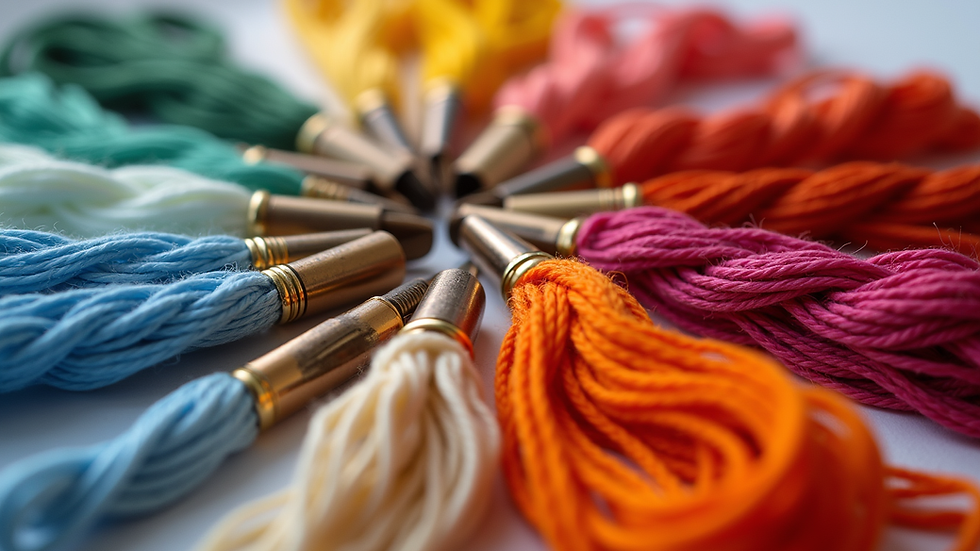
Embroidery threads come in various materials, finishes, and thicknesses. Each type has its own characteristics that suit different styles and techniques. Here are some of the most common types you will encounter:
1. Cotton Embroidery Thread
Cotton thread is a classic choice for embroidery. It is soft, versatile, and easy to work with. Cotton threads are usually mercerized, which means they have a shiny finish and are stronger than regular cotton. They come in a wide range of colours and are perfect for hand embroidery, cross-stitch, and quilting.
Pros: Affordable, widely available, smooth finish, good colourfastness.
Cons: Can break if pulled too hard, less sheen compared to synthetic threads.
Cotton threads are ideal when you want a natural look with a matte or slightly glossy finish. They work well on natural fabrics like linen and cotton.
2. Rayon Embroidery Thread
Rayon thread is known for its vibrant colours and high sheen. It is a synthetic fibre made from cellulose, giving it a silky texture. Rayon threads are popular for machine embroidery because they glide smoothly through the needle and create a lustrous finish.
Pros: Bright colours, shiny finish, smooth texture.
Cons: Less durable than polyester, can be sensitive to heat and moisture.
If you want your embroidery to stand out with a glossy, eye-catching effect, rayon is a great choice. It’s perfect for decorative designs on garments and accessories.
3. Polyester Embroidery Thread
Polyester thread is a strong, durable synthetic thread that resists fading and shrinking. It has a slight sheen and is often used for machine embroidery, especially on items that will be washed frequently. Polyester threads are colourfast and resistant to chemicals, making them suitable for commercial and industrial embroidery.
Pros: Durable, colourfast, resistant to shrinking and chemicals.
Cons: Slightly less shiny than rayon, can be stiff.
For projects that require longevity and frequent washing, polyester threads are a reliable option. They are also great for embroidery on synthetic fabrics.
4. Silk Embroidery Thread
Silk thread is luxurious and has a natural sheen that is unmatched by other threads. It is smooth, strong, and perfect for fine, detailed embroidery work. Silk threads are often used in heirloom embroidery, couture fashion, and high-end textile art.
Pros: Luxurious sheen, strong, smooth texture.
Cons: Expensive, requires careful handling.
If you want to add a touch of elegance and sophistication to your embroidery, silk thread is the way to go. It pairs beautifully with delicate fabrics like silk and fine cotton.
5. Metallic Embroidery Thread
Metallic threads add sparkle and glamour to embroidery projects. They are made by wrapping a core thread with a metallic foil or film. Metallic threads come in gold, silver, copper, and other colours. They are often used for embellishments, monograms, and festive designs.
Pros: Shiny, eye-catching, adds texture.
Cons: Can be difficult to work with, prone to breaking.
When using metallic threads, it’s important to use the right needle and tension settings to avoid breakage. They are perfect for adding highlights and accents to your embroidery.

6. Wool Embroidery Thread
Wool thread is thick and textured, ideal for crewel embroidery and other surface embroidery techniques. It adds dimension and warmth to your designs. Wool threads come in various weights and are usually made from natural wool fibres.
Pros: Textured, warm, adds dimension.
Cons: Can be bulky, not suitable for fine details.
Use wool threads when you want a rustic or textured look. They work well on heavier fabrics like wool or canvas.
What is the difference between Instagram and Threads?
While this topic might seem unrelated to embroidery, understanding the difference between Instagram and Threads can be useful for embroidery businesses and designers looking to promote their work online.
Instagram is a popular social media platform focused on sharing photos and videos. It allows users to showcase their embroidery designs, connect with customers, and build a community. Instagram supports various content formats like Stories, Reels, and IGTV, making it versatile for marketing.
Threads, on the other hand, is a newer app designed for close friends and private messaging. It focuses on intimate sharing and quick updates. For embroidery businesses, Instagram remains the primary platform for visual storytelling and brand building, while Threads can be used for more personal communication with clients or collaborators.
Understanding these platforms helps you tailor your marketing strategy and engage your audience effectively.
How to Choose the Right Thread for Your Embroidery Project
Choosing the right thread depends on several factors:
Fabric type: Match the thread material to your fabric for the best results.
Design complexity: Fine details require thinner, smoother threads.
Durability needs: Consider polyester for items that will be washed often.
Finish preference: Choose between matte, shiny, or textured threads based on your design vision.
Budget: Silk and metallic threads are premium options, while cotton and polyester are more affordable.
Always test your thread on a fabric scrap before starting your project. This helps you see how the thread behaves and looks with your chosen fabric.
Tips for Working with Different Embroidery Threads
Use the correct needle size for your thread type to avoid breakage.
Keep your thread clean and untangled for smooth stitching.
Store threads in a cool, dry place to prevent fading and damage.
When using metallic threads, slow down your stitching speed and use a stabilizer.
For hand embroidery, separate strands of cotton thread to adjust thickness.
By following these tips, you can make your embroidery process smoother and your finished work more professional.
Elevate Your Embroidery with Quality Threads
Embroidery is a craft that thrives on attention to detail and quality materials. Selecting the right type of thread can transform your designs and enhance the overall appeal of your work. Whether you prefer the natural softness of cotton, the vibrant sheen of rayon, or the luxurious feel of silk, there is a thread perfect for every project.
If you want to explore a wide range of premium embroidery materials, consider sourcing from trusted suppliers who understand the needs of specialized brands and designers. High-quality threads not only improve your embroidery’s appearance but also its durability and customer satisfaction.
For more information on premium embroidery materials, check out this resource on threads.
Embark on your next embroidery project with confidence, knowing you have the right threads to bring your creative vision to life!


Comments